
How Israeli companies can leverage global industry gaps to lead the market
In a world where smart machines can manufacture themselves, learning systems diagnose failures in real time, and customers demand modular solutions with immediate responsiveness, the machine industry can no longer afford traditional thinking.
A comprehensive report published at the end of 2023 by Siemens Digital Industries presents thought-provoking findings: more than half of companies in the UK and Ireland are lagging in the adoption of digital technologies, and nearly 50% lack a coherent digital strategy altogether.
In Israel, the picture is not very different — but this is both the challenge and the opportunity.
What is really preventing machine manufacturers from becoming smarter?
According to the report, the three main reasons for delayed digital adoption are:
• Lack of budgets and skilled personnel (59% of companies)
• Organizational cultures that do not encourage innovation
• Legacy core systems that are not suited for the digital era
The implication: many companies know they need to change — but are unsure how, who should lead the process, and what will justify the investment.
The most alarming number? Only 14% feel confident in their ability to measure ROI on digital transformation efforts.
What are leading companies doing differently?
The companies driving the transformation share several key characteristics:
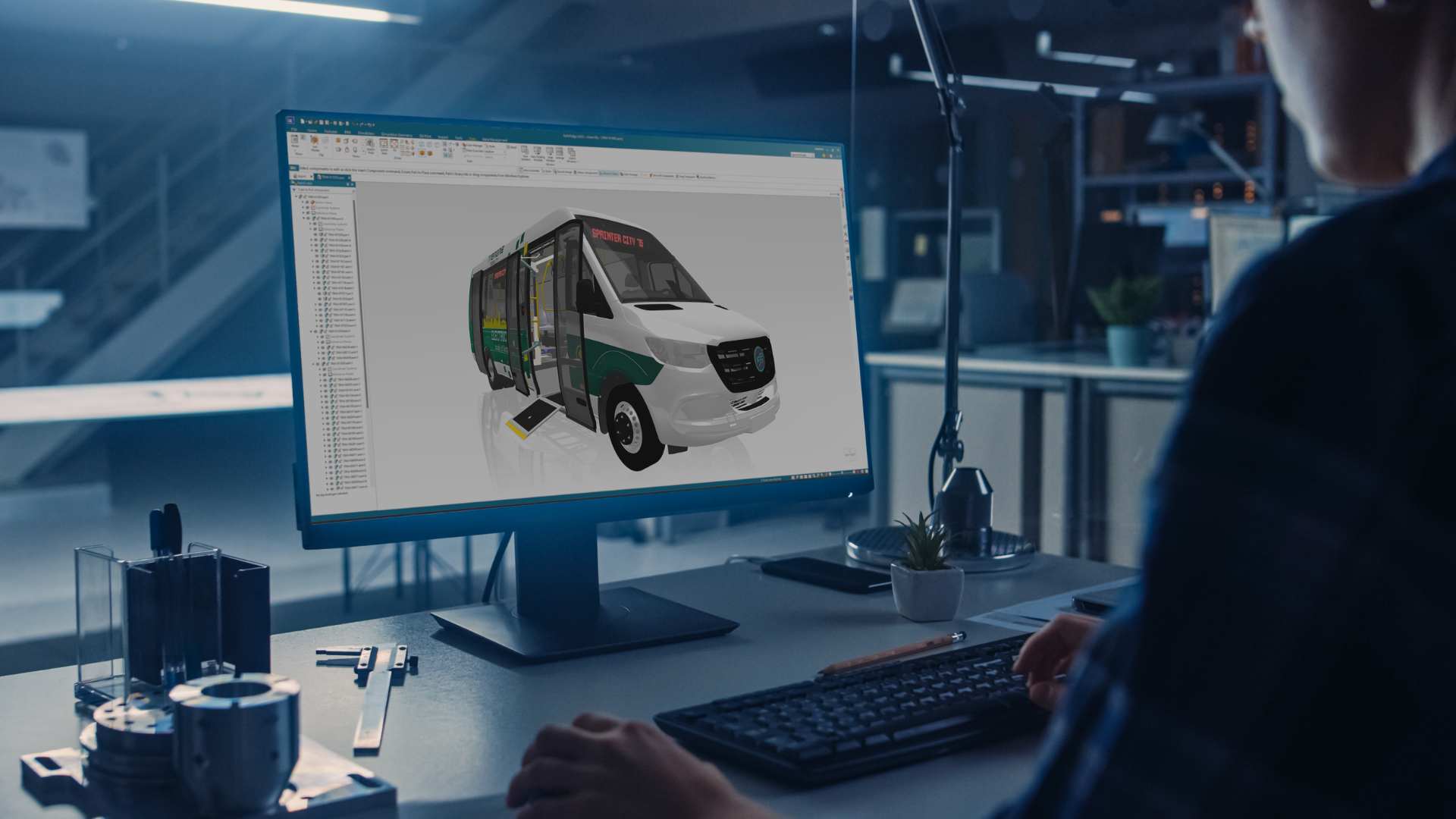
• They use Digital Twin solutions to build virtual prototypes in real time, in parallel with physical development.
• They implement predictive maintenance and fault detection based on data from IoT-connected machines.
• They shift from selling machines to smart service models — such as Pay-per-Use or outcome-based SLAs.
• They extract real business insights from field data, significantly shortening time-to-market.
And what about Israel? Similar gaps, but faster response potential
Although Israel’s machine industry is smaller, it is characterized by flexibility, innovation, and rapid adaptability — a major advantage when leveraged correctly.
While Europe often faces heavy procedural constraints, Israel can execute rapid leaps forward — provided there is a clear strategy, roadmap, and appropriate tools.
According to the Manufacturers Association report (2023), around 60% of factories in Israel still operate with legacy information and operational systems. However, within those same factories, the desire for change is evident — driven by shortages in skilled labor, increasing global competition, and the need to maintain profitability.
Questions every CEO or COO must ask today
- Do I have real control over my operational machine data — from maintenance to end-customer usage?
- How much of my design and production process is already performed virtually and digitally?
- Do I have a structured strategy for transitioning from a “just selling machines” model to recurring service-based revenue?
- Is my organization structured for integrative work — or does each department still operate independently?
- Can I measure and quantify real ROI from investment in digital tools?
The time to act is now
The digital gap in the machine industry — both globally and in Israel — is not only a challenge, but a real business opportunity.
Companies that make the digital leap today will be the ones setting tomorrow’s standards.
If you found yourself nodding at any of the questions above, this may be the right moment to explore how to lead this transformation smoothly, step by step, and together with experts who have done it dozens of times before.
Want to see where your company stands relative to the market?
Participate now in an international benchmark and discover your specific gaps and opportunities — start here